


Matcha vs Coffee for Women 40+: A Smarter Morning Ritual for Calm Energy

If your mornings currently feel like a combination of exhaustion, mental overload, and immediately needing to function… this article may give you a gentler alternative.
Not because coffee is “bad.”
And not because you should feel guilty for relying on it.
Most women I work with are juggling work, stress, kids, poor sleep, hormone changes, endless mental tabs open in their brains - and coffee often feels less like a luxury and more like a lifeline.
You wake up tired.
You already feel behind.
People need things from you immediately.
And coffee helps you switch into functioning mode.
That’s completely understandable.
But there’s also a point where the body starts giving feedback.
Especially during perimenopause, many women notice that coffee suddenly affects them differently than it used to.
What once felt energizing now feels more like:
anxiety
shakiness
heart palpitations
irritability
afternoon crashes
feeling “tired but wired”
poor sleep despite exhaustion
And that’s where matcha can become a very strategic swap.
Not necessarily forever.
Not necessarily instead of coffee every single day.
But as a way to support energy and focus without constantly pushing the nervous system harder.
I often describe heavy reliance on caffeine while already exhausted as being a little bit like running a marathon on painkillers: You can keep going for a while, but you’re also overriding signals that the body is asking for support.
And this is one reason I often recommend matcha to women dealing with anxiety, overwhelm, burnout, or hormone-related nervous system sensitivity.
Why Matcha Feels Different Than Coffee
The difference comes down largely to L-theanine. L-theanine is a naturally occurring amino acid found in green tea, especially high-quality matcha.
What makes matcha unique is that the caffeine naturally comes packaged together with L-theanine, which may help create a calmer, steadier energy response.
So while matcha still contains caffeine, many people experience it very differently from coffee.
Instead of feeling stimulated and then crashing, matcha is often described as:
calm but focused
mentally clear
steady and sustained
energizing without the jitteriness
For women in perimenopause - where the nervous system often becomes more stress-sensitive - this can make a surprisingly noticeable difference.
Matcha, L-Theanine & Nervous System Support
You may already have heard of L-theanine as a supplement for stress support, anxiety, or sleep.
It’s become increasingly popular for good reason.
Many women find it helpful for:
feeling mentally calmer
reducing overstimulation
supporting sleep quality
softening the jittery effects of caffeine
And interestingly, some people even combine L-theanine with coffee to create a smoother energy response.
So if you’re someone who loves coffee and doesn’t want to give it up completely, there’s no need for an all-or-nothing approach here.
Sometimes simply combining coffee with matcha, reducing the amount of coffee, or adding L-theanine support can already make a noticeable difference.
Tried Matcha Once and Hated It? Read This First.
I completely understand.
Because honestly, if your only experience with matcha was a coffee-shop matcha latte, there’s a good chance you still haven’t tasted good matcha.
Preparation and quality matter... A lot!
The average coffee-shop matcha latte is not a good representation of what matcha can taste like.
I first made matcha latte at home and really liked it - even as a green tea hater. Then I had a matcha latte in a coffee shop and it was honestly disgusting.
Here’s the method I personally use:
How to Make a Matcha Latte That Actually Tastes Good
Add about 1 teaspoon of ceremonial-grade matcha powder to your cup.
Add a tiny amount of cold water first, so that it mixes into a smooth paste, stirring it just with a spoon ( you can of course go all the way and use the matcha broom, but you don't have to) =>This step makes a huge difference because it prevents clumping.
If you want a latte, warm up your milk (I recommend half milk at a max & half matcha)
Boil your water, but don’t pour it directly onto the matcha while it’s still boiling hot.
Let it cool slightly first.
Pour hot water and mix, (also add warmed milk if using)
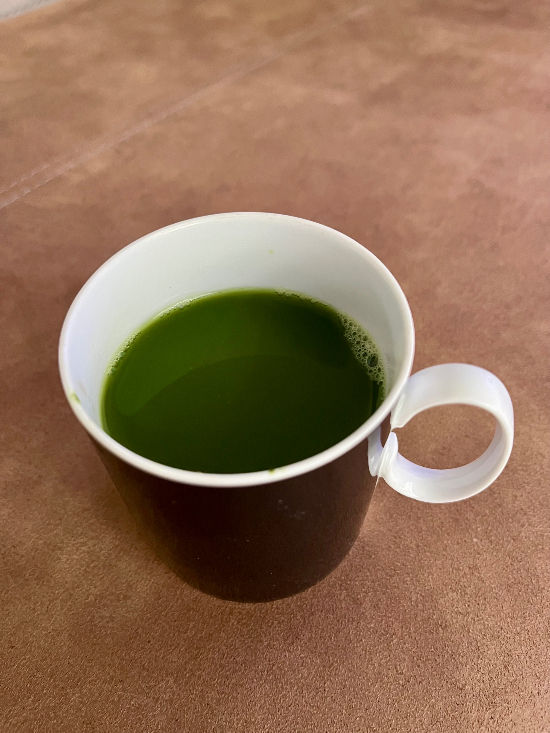
I personally used to use a small hand blender, which creates an incredibly creamy, café-style texture.
The result is completely different from the overpriced and watered-down versions most people try in coffee shops.
It becomes rich, smooth, frothy, and comforting and it still has that bitterness that I love in coffee - more like a ritual than just a drink.
How to Choose a Matcha That’s Actually Worth Buying
Yes - good matcha is more expensive than coffee.
But there’s also a huge quality difference between cheap matcha and high-quality ceremonial-grade matcha. Honestly, there's so much scam out there, I have certainly tried many before finding the one I like.
And if you’ve only tried lower-quality versions, that may be why you think you dislike it.
When I first started drinking matcha regularly, I tested a lot of different brands.
It has to have a rich bright green color and a fresh scent and taste almost minty, with a slight taste of bitterness without it being too bitter or bland.
Eventually I found one Japanese ceremonial-grade matcha that I genuinely enjoy and continue repurchasing because it gives the best balance between quality and affordability.
The one I personally buy costs around €25–30 for 100 grams.
And while that sounds expensive initially, matcha actually goes a very long way because you only use about one teaspoon per serving.
For many women, it ends up being comparable to - or even cheaper than - daily coffee-shop coffees.
Especially now that café coffee prices have increased so much.
Final Thoughts: You Don’t Have to Quit Coffee Forever
This isn’t about demonizing coffee.
I am probably one of the biggest coffee lovers myself…
But there are seasons where the body simply becomes less resilient to stress and stimulants - especially during perimenopause, burnout, chronic stress, or hormone imbalances.
And in those moments, matcha can be a much gentler way to support energy, focus, and mood without constantly pushing the nervous system harder.
Sometimes the goal isn’t removing caffeine entirely.
Sometimes the goal is simply creating calmer energy.
And for many women, matcha can be one of the easiest and most enjoyable ways to start.


Comments